
What makes a good workplace culture is behavior you can observe: people raise concerns without fear, trust shapes everyday decisions, and effort gets noticed. Perks do not define it. Each element below comes with a sign to check this week.
Picture a Monday meeting where someone mentions a mistake and the room moves straight to fixing it. Picture another where only the usual voices speak and problems surface later. The difference between them is the subject of this guide. For the wider definition, see what is workplace culture. For concrete cases, see workplace culture examples.
- Best starting point: psychological safety, because it decides whether the other signs can be seen at all.
- Easiest to check quickly: who speaks in meetings, and what happens to mistakes.
- Common trap: mistaking a friendly atmosphere for a strong one.
Clear values that show up in daily work
Values are one of the main components of organizational culture, and they only count when people act on them. A poster on the wall proves little. What matters is whether the words describe how decisions get made on an ordinary Tuesday.
FaceUp describes a healthy safety culture as one of care, responsibility and engagement. Those three words work well as a test for any set of values. Care shows in how people treat a colleague who is struggling. Responsibility shows in who speaks up when something looks wrong. Engagement shows in whether people choose to take part rather than simply comply.
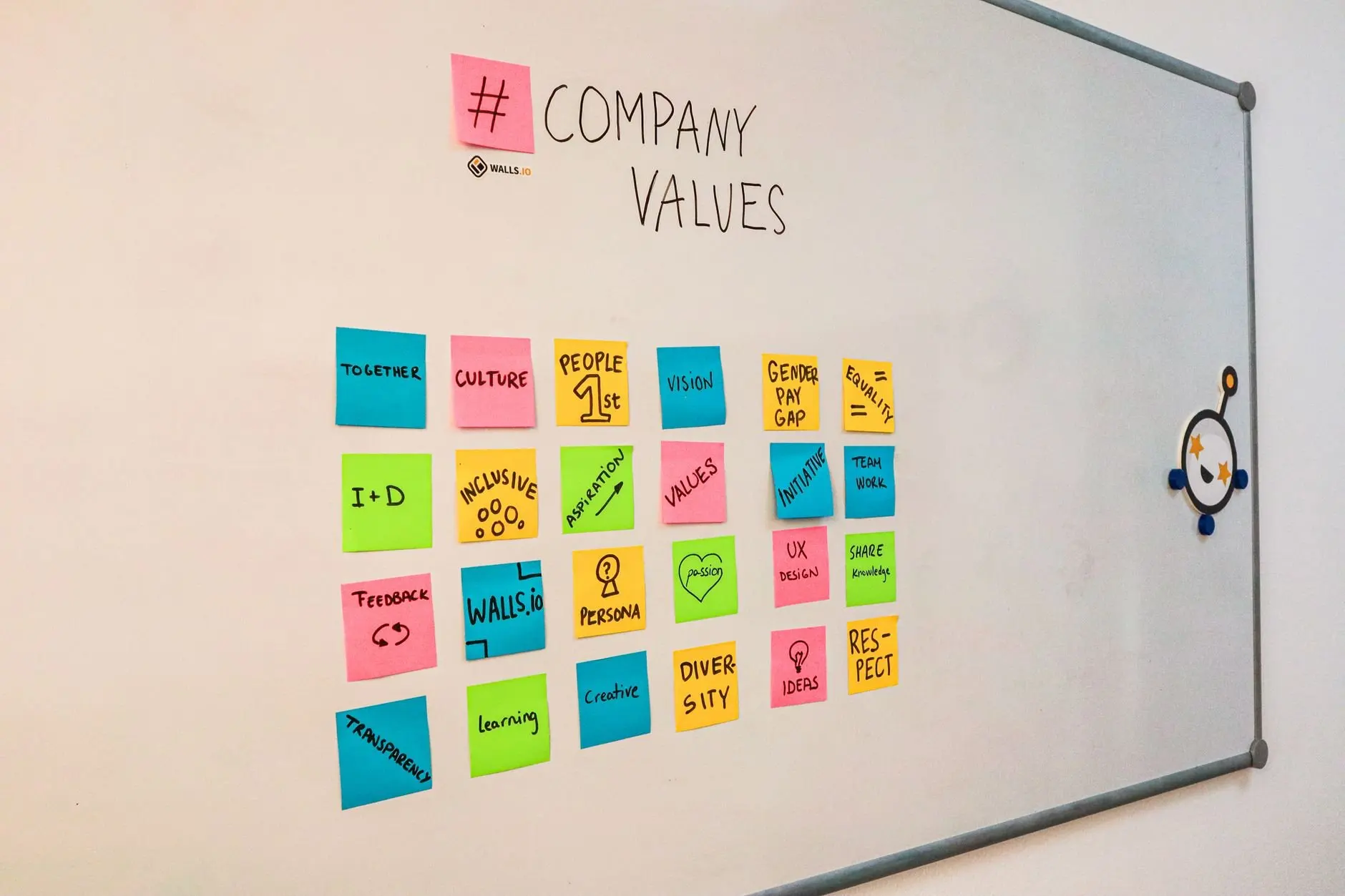
Check this week: pick one stated value and look for a recent decision where it changed the outcome. If nobody can name one, the value is decoration. This suits teams that already have a values statement and want to find out whether it is working.
Open communication and a speak-up habit
Open communication means employees can report problems and leaders respond constructively. FaceUp states that employees should feel comfortable reporting unsafe conditions without fear of retaliation. Although that comes from a safety context, the principle applies to any concern, from a missed deadline to a questionable process.
Syló Beyond HR lists the warning signs of a culture where people hold back, including meetings where only the same people speak. That is a practical check. Watch a regular meeting and note whether newer or quieter colleagues contribute, and whether a leader invites them to.

The same source points to responding positively when employees raise concerns as something leaders can do. The reaction to the first concern matters most. A defensive answer teaches people to stay quiet, so leaders who want honest input should thank the person and act on what they heard.
Psychological safety and trust
Psychological safety is the foundation most other elements rest on. Syló Beyond HR defines it as the belief that employees can ask questions, share ideas, admit mistakes and raise concerns. The same source notes that workplaces built on trust encourage people to contribute, learn from mistakes and support one another.

What trust looks like in a manager
Trust is easiest to judge by how managers behave. One behavior Syló Beyond HR names is to listen with curiosity rather than judgement. In practice, a manager who asks a follow-up question before reacting is building trust. One who answers a problem with blame is spending it.
What low safety looks like
The same source lists mistakes being hidden rather than discussed as a warning sign. Ask yourself whether the last error on your team was discussed openly or quietly patched over. If it was patched over, the culture is teaching people that honesty has a cost.
This element suits any team, but it matters most to those with new hires or remote members, since they have the fewest cues about what is safe to say.
Recognition that reaches effort, not only results
Employee recognition is where values become visible. Syló Beyond HR lists recognising effort as well as results among the behaviors of leaders who build trust. A culture that praises only outcomes can leave people reluctant to try anything uncertain.

FaceUp adds that positive reinforcement helps maintain a strong safety culture. The point carries over: behavior that is acknowledged tends to continue. Recognition also needs to be specific about what was done, otherwise it reads as routine.
Check this week: note the last few times someone was thanked at work. Were they thanked for a result only, or for effort and good judgement as well? A team that recognises only the final outcome has a gap to close.
Engagement and well-being
Employee engagement is partly a result of the other elements, which makes it a useful signal rather than a lever to pull on its own. FaceUp reports that employees who feel their well-being is a priority are more engaged and committed. So engagement tends to follow evidence that the organization cares, not slogans about it.
The warning side is just as telling. Syló Beyond HR names high-performing employees becoming disengaged as a sign of low psychological safety. People who could easily work elsewhere often show the first signs of a poor culture, so their withdrawal deserves attention before it becomes departure.
Telling a strong culture from a merely friendly one
A friendly office can still fail the tests above. Warmth is pleasant, but strength shows when something goes wrong: a mistake, a concern, a disagreement. The table turns each element into something you can watch for. Use it to answer the signs of a strong company culture with observation rather than impression.
| Element | Sign of strength | Warning sign | Planning use |
|---|---|---|---|
| Psychological safety | Questions, ideas and admitted mistakes are voiced openly | Mistakes hidden rather than discussed | Review how the last error was handled |
| Open voice | Concerns raised without fear of retaliation | Meetings where only the same people speak | Count who contributes in a regular meeting |
| Trust | Managers listen with curiosity rather than judgement | Concerns met with defensiveness | Watch a manager’s first reaction to bad news |
| Recognition | Effort is acknowledged as well as results | Only outcomes are praised | List recent thanks and what they were for |
| Engagement | People feel well-being is a priority and stay committed | High performers becoming disengaged | Notice changes among your strongest people |
The signs and warnings draw on Syló Beyond HR’s guidance on psychological safety and FaceUp’s guidance on workplace safety culture.
Observation is a start, not a verdict. FaceUp also recommends gathering insights through surveys and feedback to assess whether programmes are effective. For a structured way to do that, read how to measure company culture.
A checklist for this week
- Pick one value and find a recent decision it shaped.
- Watch one meeting and note whether anyone beyond the usual speakers contributes.
- Trace the last mistake and ask whether it was discussed or hidden.
- Observe a manager’s reaction to a concern: curiosity or judgement.
- List recent recognition and mark whether it named effort or only results.
- Check on your strongest performers for signs of withdrawal.
If most of these checks pass, the culture is likely stronger than it is friendly. If several fail, start with psychological safety, because the other signs are hard to improve while people stay quiet.
Frequently asked questions
What are the signs of a strong company culture?
Look for open discussion of mistakes, a wide range of voices in meetings, managers who listen before reacting, recognition of effort, and engaged high performers.
What is the difference between psychological safety and trust?
Psychological safety is the belief that you can ask questions, admit mistakes and raise concerns. Trust is the broader result, where people contribute, learn from mistakes and support one another.
Do engaged employees affect workplace safety?
FaceUp states that engaged employees contribute to a safer workplace, reducing accidents and increasing engagement.
Can perks make a culture strong?
Perks are not among the signs described here. The evidence points to behavior: how concerns, mistakes and effort are handled day to day.