
Unconscious bias training for employees works best as one part of a program: teach what bias looks like, practise pausing before decisions, then change hiring and review processes and track results over time.
Picture a company that books a session after a promotion round raises questions. Everyone leaves with a new vocabulary, yet the next round runs on the same informal process. Training that stops at awareness tends to end this way, so the session should be the start of a program. It belongs inside the wider work of how to create an inclusive workplace.
What the training is and who should attend
Unconscious bias, often also called hidden or implicit bias, is the set of assumptions that shape judgements without a deliberate decision. Implicit bias at work matters because it reaches decisions with real consequences. ERC, a training provider, says unawareness of bias can lead to incorrect, inappropriate and even unlawful decisions about hiring, performance management, promotion and termination.
That list of decisions tells you who needs the most attention. Anyone who screens candidates, rates performance, recommends promotions or takes part in terminations should get deeper, practice-based sessions. Everyone else benefits from a shared baseline. NAVEX lists its unconscious bias microlearning course for all learners, and ERC describes its interactive session as suited to attendees of all experience levels.
Anti-discrimination law belongs in the content as well. Because the outcome ERC flags is unlawful decisions, managers should leave knowing which of their decisions the law governs. Have HR or employment counsel confirm the rules that apply in your jurisdiction, and keep that material separate from the exercises on bias itself.
Recognising bias in everyday decisions
Participants engage more when examples come from decisions they actually make. NAVEX says its course covers what biases are, how they form, what they can look like and how to identify them, which is a sound sequence: definition, origin, concrete example, then recognition. The illustrations below show the pattern. They are not findings about any particular workplace.

Hiring
A panel warms to a candidate who resembles its members and reads the same answer more generously. Training should ask participants to name the criteria before interviews begin, so judgement is tied to the role rather than to familiarity.
Performance management
Two employees show the same behaviour and one is described as confident while the other is described as difficult. Walking through paired descriptions like this gives managers a way to notice the pattern in their own review language.
Promotion and termination
Decisions that rest on who is most visible, or on a general impression, are where a first reaction can stand in for evidence. These are the decisions ERC links to unlawful outcomes, so they deserve the most worked examples in manager sessions. Microaggressions are a related, everyday form of the same problem, covered in microaggressions in the workplace.

Choosing activities that change practice
Activities should rehearse a behaviour, not only transmit a definition. The table matches common problems to formats described by training providers, so you can pick based on who needs what.
| Reader problem | Format described | Planning use |
|---|---|---|
| Staff need a shared baseline quickly | Online microlearning course for all learners, covering what biases are, how they form and how to identify them | Suits the whole workforce and new starters. Pair it with a live follow-up for decision-makers. |
| Managers need to practise, not just listen | Interactive session built on group discussions and exercises | Suits hiring managers and reviewers, who can bring their own decisions to the table. |
| Hiring results need examining | Course topic on measuring and evaluating hiring efforts | Suits recruiters and HR, who can connect the session to the numbers they already track. |
Format descriptions come from NAVEX and ERC, who describe their own courses.
Pause and question
The most transferable skill is a habit of stopping before acting. Sunshower Learning says its course teaches five strategies, starting with watching your first thoughts for a sign of a bias or assumption, and includes pausing and logic questions. Build an exercise around that: give participants a candidate summary or a review draft, ask them to flag their first reaction, then test it with a question about evidence. Choose this approach when the main goal is a repeatable personal habit.

Scenario discussion
Small groups reading printed scenarios let people disagree about what they see, which is where learning happens. ERC describes group discussions and exercises as part of its courses. Keep scenarios close to your own roles, such as a shortlist, a rating or a promotion recommendation, and let each group report back on what it would check before deciding.
Perspective-taking exercises
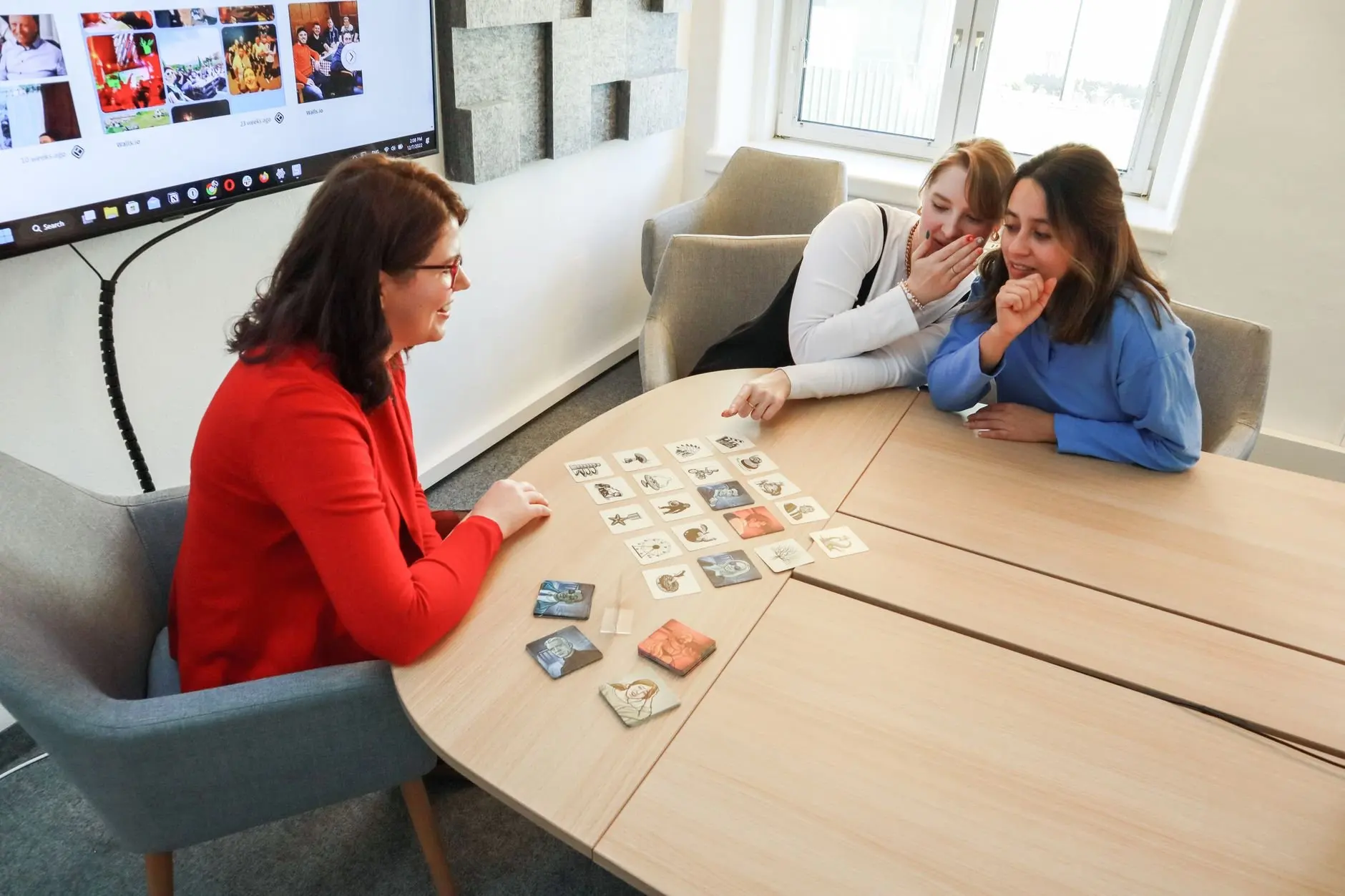
Training can illustrate alternative viewpoints and encourage workers to self-interrogate. A card-based format does this well: each participant responds from an assigned viewpoint and the group discusses what changed. Use it after the scenario work, once people are comfortable talking openly, and not as an opener with a cold room.
Online modules
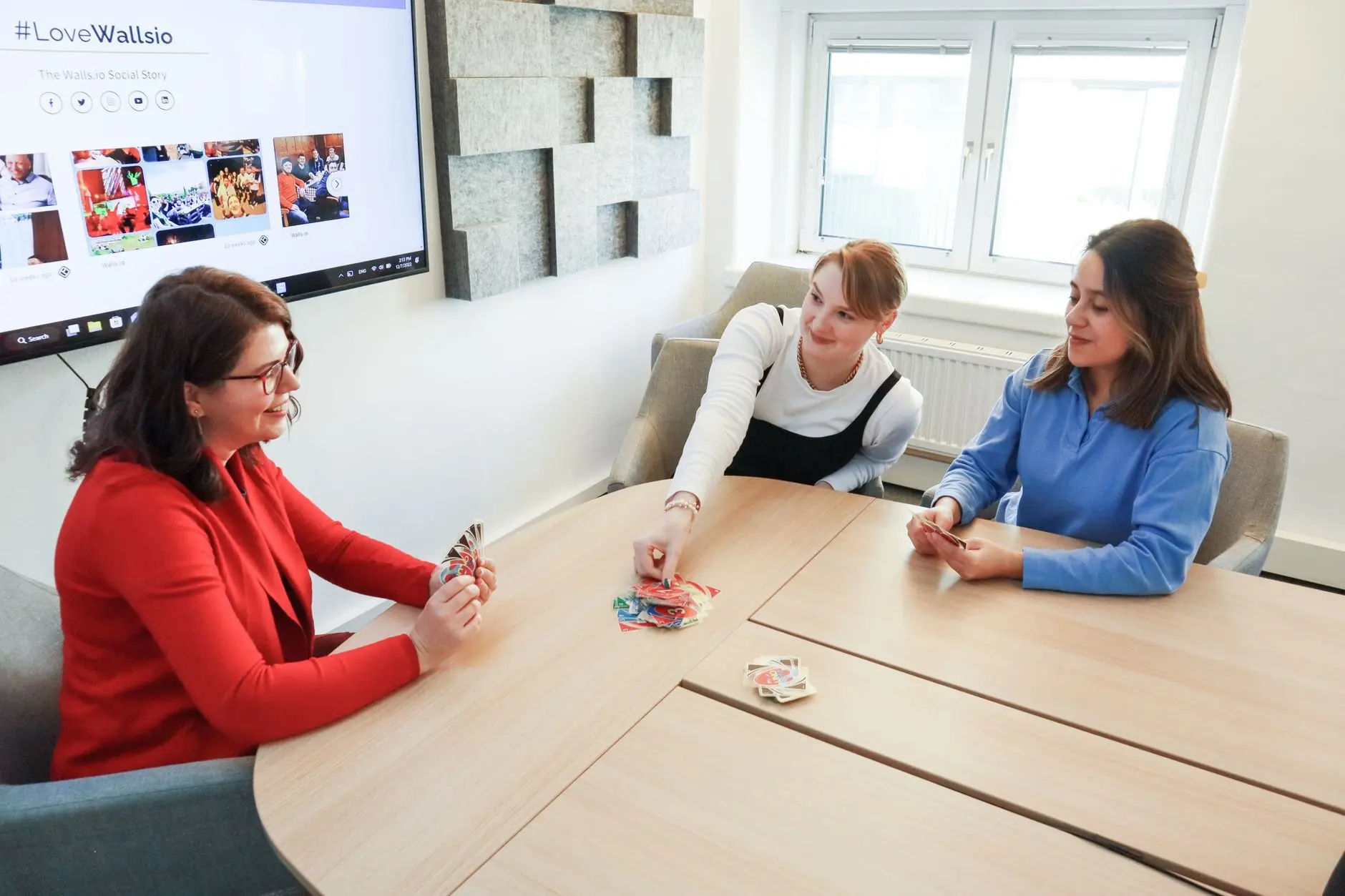
Online delivery is the practical route for reaching everyone consistently. Treat it as the first layer, not the whole program, because a module cannot replace a discussion about your own decisions.
Going beyond awareness
Awareness is only the first outcome. Training should also cover what to do differently, and that requires changes to the process around the person.
- Set criteria before judging. Agree what good looks like for a role or a review period in advance, so decisions can be checked against it.
- Add a deliberate pause. Give decision-makers a prompt to question their first reaction before they finalise a shortlist, rating or recommendation.
- Review outcomes. Look at hiring, performance and promotion results regularly. ERC includes measuring and evaluating hiring efforts among its course topics.
- Change how groups work. Meeting habits decide whose input counts. See how to run inclusive meetings for practical steps.
Be careful about what a session can promise. A session that raises recognition, as ERC describes its aim, is not the same as one that proves behaviour has changed. Promise the first, and build the process changes and measurement that show the second.
Measuring whether training worked
Measurement should look past attendance and satisfaction. Mastery TCN advises against treating training as a one-off event and recommends that businesses track metrics over time. Decide which metrics before launch so you have a starting point to compare against.
Knowledge checks
A short quiz confirms people absorbed the material. Sunshower Learning reinforces its lessons with a 10-question quiz. Use a quiz to check understanding, but do not read a pass mark as evidence that decisions have improved.
Behavioural change
Behavioural change shows up in the decisions and processes themselves. Compare hiring and review outcomes before and after, check whether managers use the agreed criteria, and ask participants what they did differently. Because the changes are gradual, review them on a schedule rather than once. Share the findings with the managers involved so the review leads to action rather than just a report.

Troubleshooting common problems
- Participants feel accused. Frame bias as something everyone has, as the definition of hidden or implicit bias suggests, and use paired examples rather than singling out individuals.
- Nothing changes afterwards. The program likely stopped at awareness. Add the process changes above and schedule follow-up rather than relying on a single session.
- Quiz scores are high but decisions look the same. A quiz tests recall. Add outcome tracking over time to see whether practice has moved.
- Content feels abstract. Replace definitions with scenarios from your own hiring, review and promotion decisions.
Frequently asked questions
| Question | Answer |
|---|---|
| Is implicit bias the same as unconscious bias? | They are used interchangeably. ERC notes that unconscious bias is often also called hidden or implicit bias. |
| Who should receive the training? | All staff can take a baseline course, as NAVEX lists its microlearning for all learners. People who make hiring, review, promotion or termination decisions need deeper practice. |
| Which activities are worth including? | Group discussions and exercises, a pause-and-question strategy and perspective-taking prompts all appear in provider course descriptions. Pick the mix that fits the decisions your managers make. |
| How often should results be reviewed? | Regularly. Mastery TCN recommends tracking metrics over time rather than treating training as a single event. |